
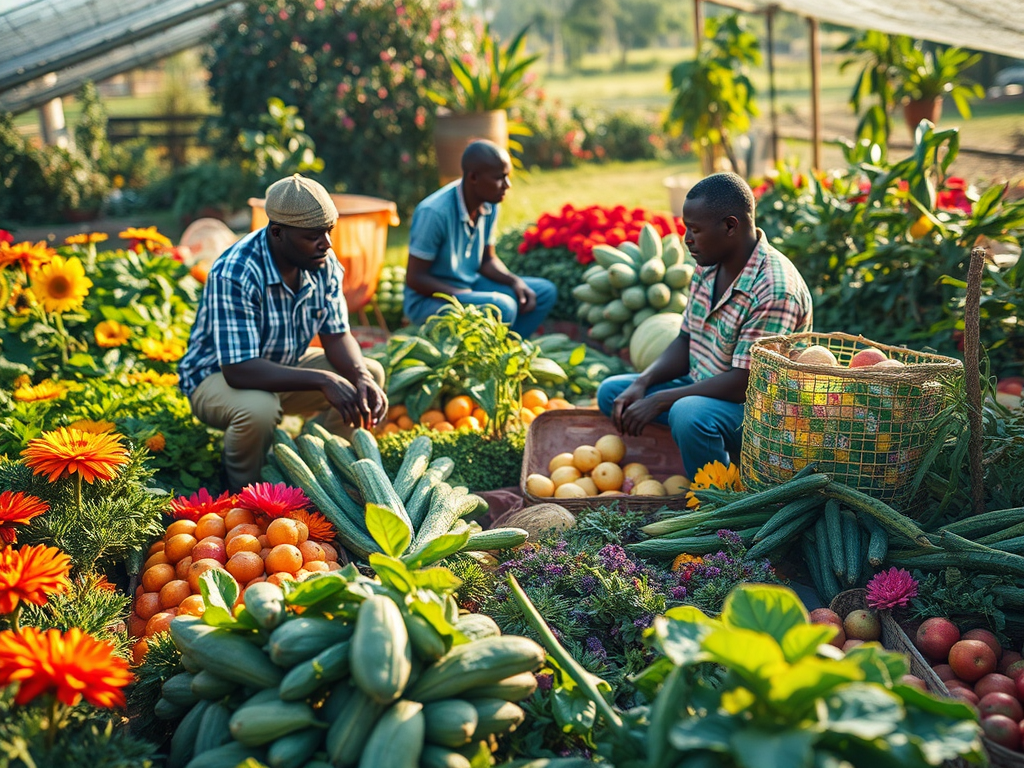

In February 2026, the Tanzania Horticultural Association (TAHA), the nation’s premier apex private sector organization for the horticultural industry, announced a high-level executive vacancy for the position of Chief Development Manager. Based in the “safari capital” of Arusha, this role is a cornerstone of TAHA’s mission to transform Tanzania into a global horticultural powerhouse.
TAHA represents a diverse and rapidly growing value chain that includes flowers, fruits, vegetables, spices, herbs, and seeds. As the horticultural sector becomes an increasingly vital component of Tanzania’s GDP and export earnings, the Chief Development Manager will serve as a strategic architect, ensuring that the organization remains vibrant, prosperous, and sustainable.
1. Position Overview: Chief Development Manager
The Chief Development Manager (CDM) is a top-tier executive role reporting directly to the Chief Executive Officer (CEO). This position is designed for a visionary leader who can bridge the gap between high-level policy advocacy and ground-level technical execution. The CDM is responsible for the overall “Development Portfolio” of TAHA, ensuring that every project, partnership, and investment aligns with the association’s long-term vision.
| Feature | Details |
| Organization | Tanzania Horticultural Association (TAHA) |
| Location | Arusha, Tanzania (Headquarters) |
| Reporting Line | Chief Executive Officer (CEO) |
| Sector | Agribusiness / Horticulture / Private Sector Development |
| Closing Date | Saturday, 21st February 2026 |
2. Role Purpose: Driving the Growth Engine
The purpose of the CDM role is to drive organizational growth and strategic initiatives. In 2026, the horticultural sector faces unique challenges and opportunities, from climate-smart agriculture needs to strict international export standards (like GlobalGAP). The CDM ensures that TAHA provides the necessary leadership to navigate these complexities through:
- Effective Strategy Execution: Turning board-level visions into actionable departmental plans.
- Partnership Cultivation: Building bridges between local farmers and international markets.
- Business Expansion: Identifying new value chains (e.g., vanilla, avocado, or medicinal herbs) for TAHA to develop.
- Institutional Development: Strengthening TAHA’s internal capacity to serve its thousands of members across the country.
3. Key Responsibilities: A Comprehensive Mandate
The Chief Development Manager oversees a wide array of critical functions, requiring a holistic understanding of how an apex private sector body operates.
A. Strategic Leadership and Direction
The CDM provides the “North Star” for TAHA’s development efforts. This includes:
- Translating corporate strategies into clear, measurable priorities.
- Ensuring that TAHA’s interventions are data-driven and result-oriented.
- Anticipating market shifts and preparing the horticultural sector for future trends.
B. Management and Technical Accountability
As a leader of leaders, the CDM oversees several critical technical departments:
- Programs: Managing donor-funded and internally funded projects.
- Operations: Ensuring the logistical and administrative backbone of development is efficient.
- Trade and Investment: Driving export growth and attracting foreign and domestic investment into horticulture.
- MEAL (Monitoring, Evaluation, Accountability, and Learning): Ensuring that TAHA learns from every initiative and maintains a high-performance culture.
C. Financial Stewardship and Value for Money
The CDM is a guardian of resources.
- They must ensure the financial sustainability of development initiatives.
- They oversee compliance with complex donor requirements (e.g., USAID, EU, or World Bank standards) while ensuring that every shilling spent delivers maximum value to the horticultural farmer.
D. Partnerships and Resource Mobilization
TAHA’s success depends on its network. The CDM leads high-level engagement with:
- Development Partners: Securing funding and technical assistance.
- Government Institutions: Advocating for favorable policies and infrastructure (like cold storage or improved transport links).
- Private Sector Stakeholders: Connecting farmers with reputable off-takers and input suppliers.
4. Qualifications: The Profile of a Senior Leader
TAHA is looking for an “A-Player”—someone with the academic rigor and the battle-tested experience to lead in a complex agribusiness environment.
Academic Requirements
- Master’s Degree: Mandatory in fields such as Business Administration (MBA), Economics, Finance, Agriculture, or International Development. This ensures the candidate has the advanced analytical skills required for strategic planning.
Experience and Track Record
- Senior Leadership: Minimum of 10 years of progressive experience in high-level management.
- Sector Expertise: Proven experience in trade and agribusiness, private sector-led development, or managing membership-based associations.
- Proven Success: A demonstrable track record in resource mobilization (securing funding) and institutional management.
Core Competencies
- Stakeholder Management: The ability to speak the language of both a smallholder farmer in Njombe and a corporate CEO in Arusha.
- Corporate Governance: Familiarity with working under a Board of Directors.
- Risk Management: The ability to identify and mitigate strategic and operational risks before they impact the organization.
5. The “Arusha” Advantage: Leading from the Hub
Being based in Arusha places the CDM at the heart of the East African Community (EAC) headquarters and the primary hub for Tanzania’s northern horticultural circuit. This location is ideal for:
- Direct Farmer Engagement: Proximity to major production zones for flowers and vegetables.
- International Access: Easy access to Kilimanjaro International Airport (KIA) for monitoring cold chain logistics.
- NGO/Donor Proximity: Arusha is home to numerous international organizations, facilitating the “Partnership” pillar of the CDM role.
6. Application Procedure: Your Path to TAHA
TAHA follows a professional and streamlined recruitment process.
- Documents Required:
- An Application Letter addressed to the Human Resources and Administration Manager.
- A Detailed CV, which must be a maximum of 4 pages.
- Submission Method: Email your documents to recruitment@taha.or.tz.
- Subject Line: Must be exactly “Application for Chief Development Manager Position”.
- Deadline: Saturday, 21st February 2026.
⚠️ A Critical Warning on Employment Scams: TAHA is a reputable organization. They will never ask you for a fee for a job application, an interview, or a background check. If you receive a request for money, it is a scam. Protect your finances and personal information.
7. Remuneration and Benefits
TAHA offers a competitive remuneration package aligned with their internal salary scale. As an apex organization, they offer benefits commensurate with a senior executive role, reflecting the high level of responsibility and the 10-year experience requirement.
8. Strategic Advice for Shortlisted Candidates
If you are called to Arusha for an interview with the CEO and the Board, prepare to discuss:
- Value Chain Diversification: How would you identify the next “big” horticultural crop for Tanzania?
- Resource Mobilization: Be ready to give an example of a multi-million dollar proposal you successfully led.
- Crisis Management: How would you handle a sudden change in international trade regulations (e.g., a new pesticide ban in the EU)?
- Scaling Smallholders: How do you move thousands of small-scale farmers into a commercial, export-oriented mindset?
9. Summary Table: At a Glance
| Category | Requirement |
| Experience | 10+ Years (Senior Leadership) |
| Education | Master’s Degree (MBA, Finance, Agri, etc.) |
| Top Skills | Resource Mobilization, Strategic Leadership, Stakeholder Management |
| Location | Arusha, Tanzania |
| Industry | Agribusiness / Horticulture |
| Application Deadline | February 21, 2026 |
10. Conclusion: Shaping the Future of Tanzanian Horticulture
The Chief Development Manager at TAHA is a role for a leader who wants to leave a legacy. By driving the growth of the horticultural sector, you are directly impacting the livelihoods of millions and contributing to the “Green Revolution” in Tanzania. In the competitive landscape of 2026, your ability to secure partnerships and execute strategy will determine whether Tanzanian fruits and vegetables become a staple in every corner of the globe.